Starlink Kenya Guide
Starlink kenya latency improvement
A detailed Kenya-focused guide to starlink kenya latency improvement, including current plan context, buying considerations, installation requirements, performance expectations, and practical advice for homes and businesses.
- Understanding starlink kenya latency improvement
- Current plan landscape in Kenya
- How to choose the right package
- Installation requirements before buying
- What buyers often misunderstand
- Performance expectations
- Buying and support considerations
- When Starlink may not be the best option
- How Satellite Internet Installers can help
- Final recommendation
- Frequently asked questions
- Sources and checks
Understanding starlink kenya latency improvement
The phrase starlink kenya latency improvement is usually searched by people who are close to making a buying decision. They may already know that Starlink is a low Earth orbit satellite internet service, but they still need a practical explanation of what the service means in Kenya, what it costs, where it works best, and what has to happen before the connection is useful inside a home or business. A good decision starts with separating three different things: the Starlink account and subscription, the physical kit, and the installation work that makes the kit reliable on the property.
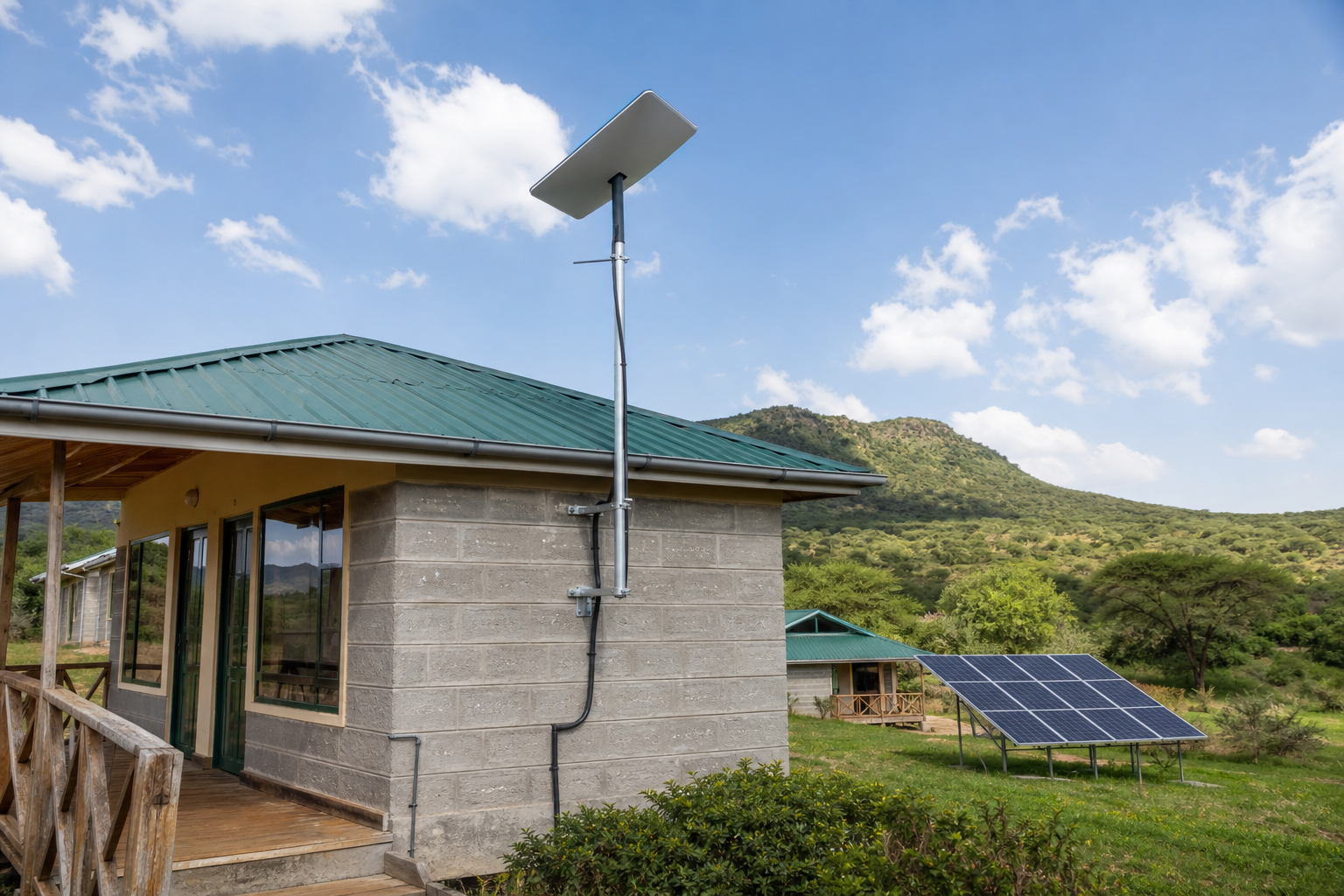
In Kenya, the strongest use case remains locations where fiber is unavailable, mobile data is unstable, or ordinary fixed wireless links cannot deliver consistent service. Starlink can be attractive for rural homes, remote offices, farms, lodges, construction sites, field clinics, schools, churches, and small businesses that need internet without waiting for a trench, tower, or last-mile provider. It is also useful as a backup link where an existing fiber or microwave connection fails too often.
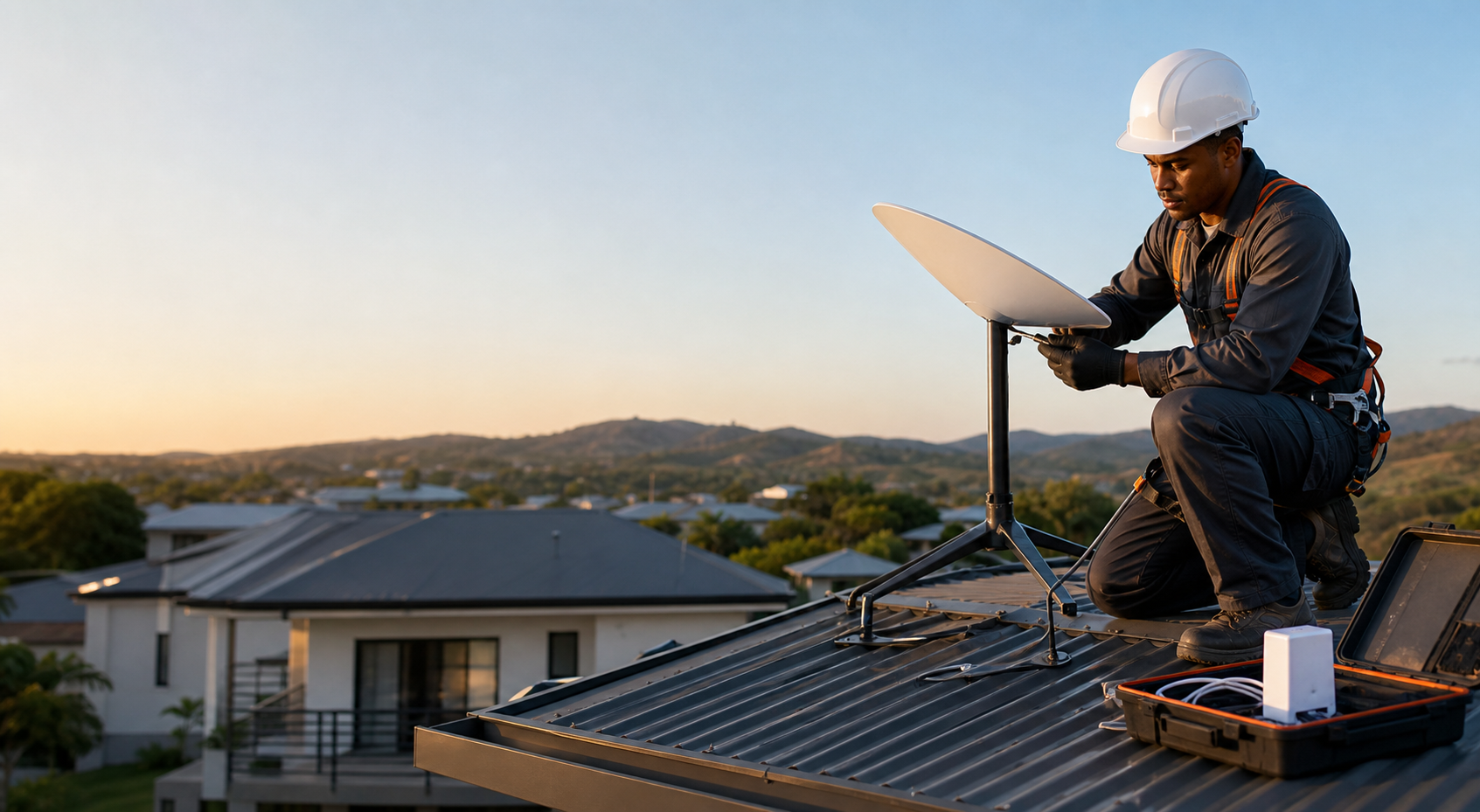
The important point is that Starlink is not just a box that sits indoors. The outdoor terminal needs a clear view of the sky, the router needs power and a sensible indoor position, and the cable route needs to survive rain, heat, foot traffic, pets, maintenance work, and roof movement. That is why professional installation often changes the long-term experience.
Current plan landscape in Kenya
The official Starlink Kenya page currently highlights Residential Lite from KES 4,000 per month and Residential from KES 6,500 per month. Those are public starting points, not a complete installation quote. A customer may still need to consider the hardware checkout price, shipping, payment method, taxes or fees shown at checkout, mounts, cable accessories, trunking, pole work, mesh Wi-Fi, and installation labor.
Residential Lite is usually the first plan people compare because the monthly starting cost is lower. It can be a practical fit for everyday browsing, communication, online learning, streaming in moderation, and home productivity. The standard Residential option is more suitable when the household depends on the connection daily, has many devices, or expects more consistent usage across work, streaming, backups, and smart devices.
Roam plans are a separate category. Starlink’s help center describes Roam as designed for connectivity on the go, including travel, RV-style use, camping, boating, and similar mobile scenarios. The same help guidance lists Roam 100GB at USD 55 and Roam Unlimited at USD 175, with plan details that differ from ordinary fixed residential use. Kenyan buyers should read the live Roam terms carefully before assuming that a travel plan is the right substitute for a fixed home or office installation.
How to choose the right package
Choosing a package should start with usage, not only the advertised monthly price. A single-person home that mainly uses WhatsApp, browsing, email, YouTube, and occasional video calls has different needs from a lodge with guests, cameras, point-of-sale devices, staff phones, cloud accounting, and streaming TVs. The same Starlink dish can be installed in both places, but the plan, router layout, power backup, and network design should not be identical.
Ask how many people will be online during peak hours, which applications matter most, whether there are business systems that cannot stop, and whether the site needs coverage in one room, one floor, several buildings, or outdoor areas. Then match the package to that reality. A cheaper plan can feel expensive if it constantly reaches limits or disappoints during busy hours, while a higher plan can be wasteful if the site only needs light connectivity.
For business users, the plan decision should also include risk. If Starlink is the main link, consider power backup, router quality, surge protection, and a fallback option. If Starlink is a backup link, configure the router so failover is clean and staff know what to expect during a fiber outage. Package choice and installation design should work together.
Installation requirements before buying
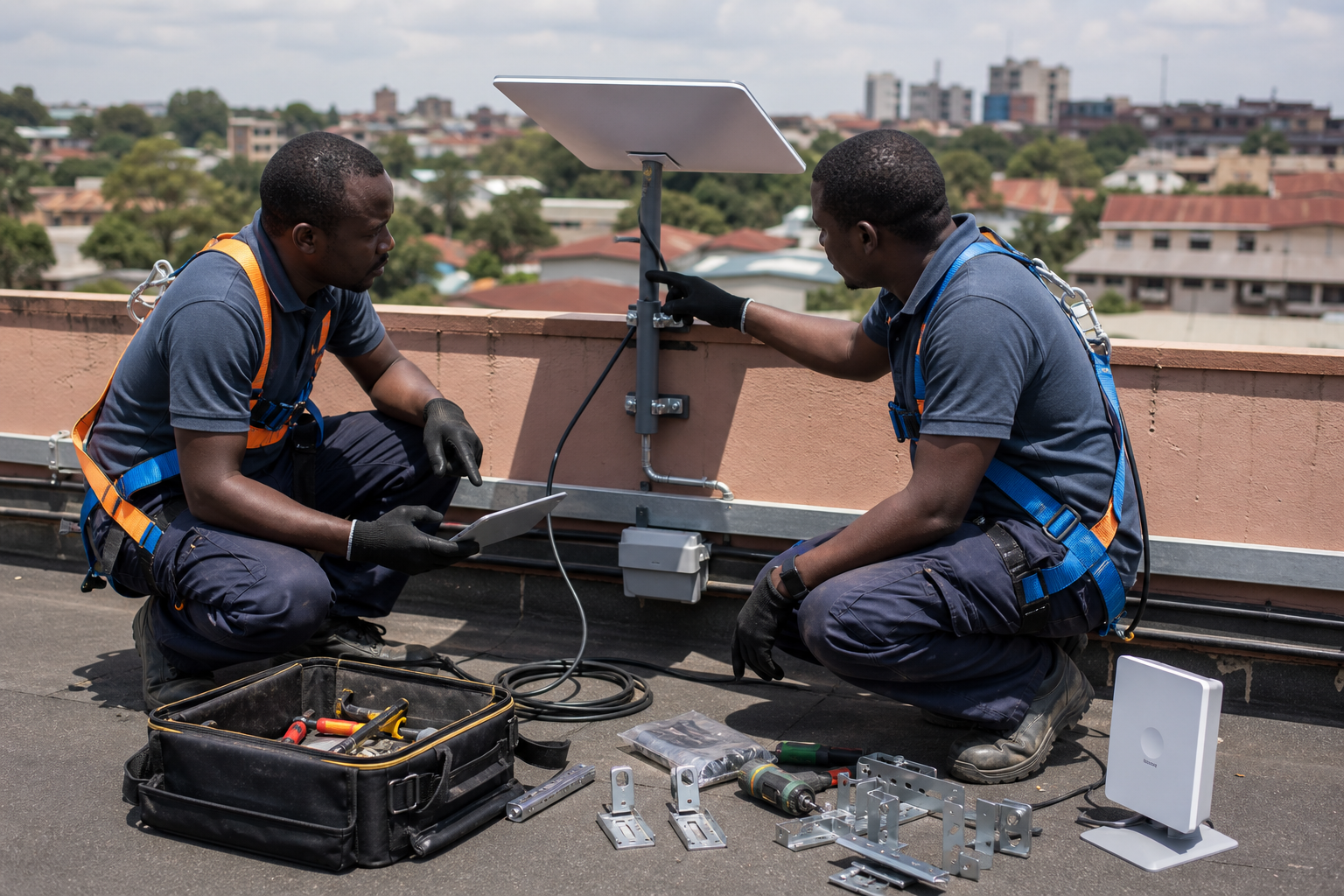
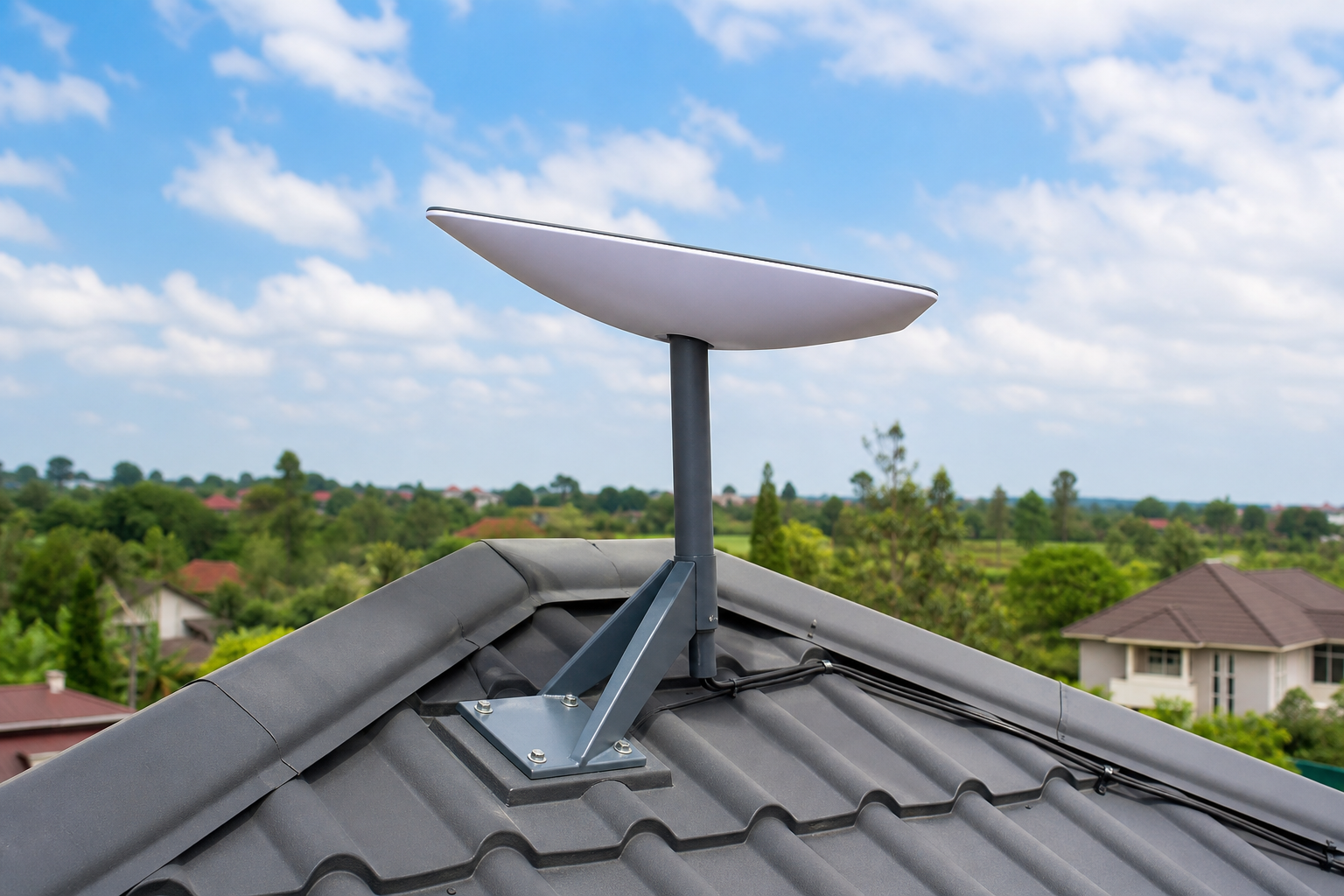
For any satellite internet service, the installation quality matters as much as the subscription. A clear sky view, a stable mount, protected cabling, and sensible router placement determine whether the customer experiences a strong connection or constant interruptions. Many buyers focus only on the monthly plan, but the practical result depends on how the equipment is positioned and tested on the actual property.
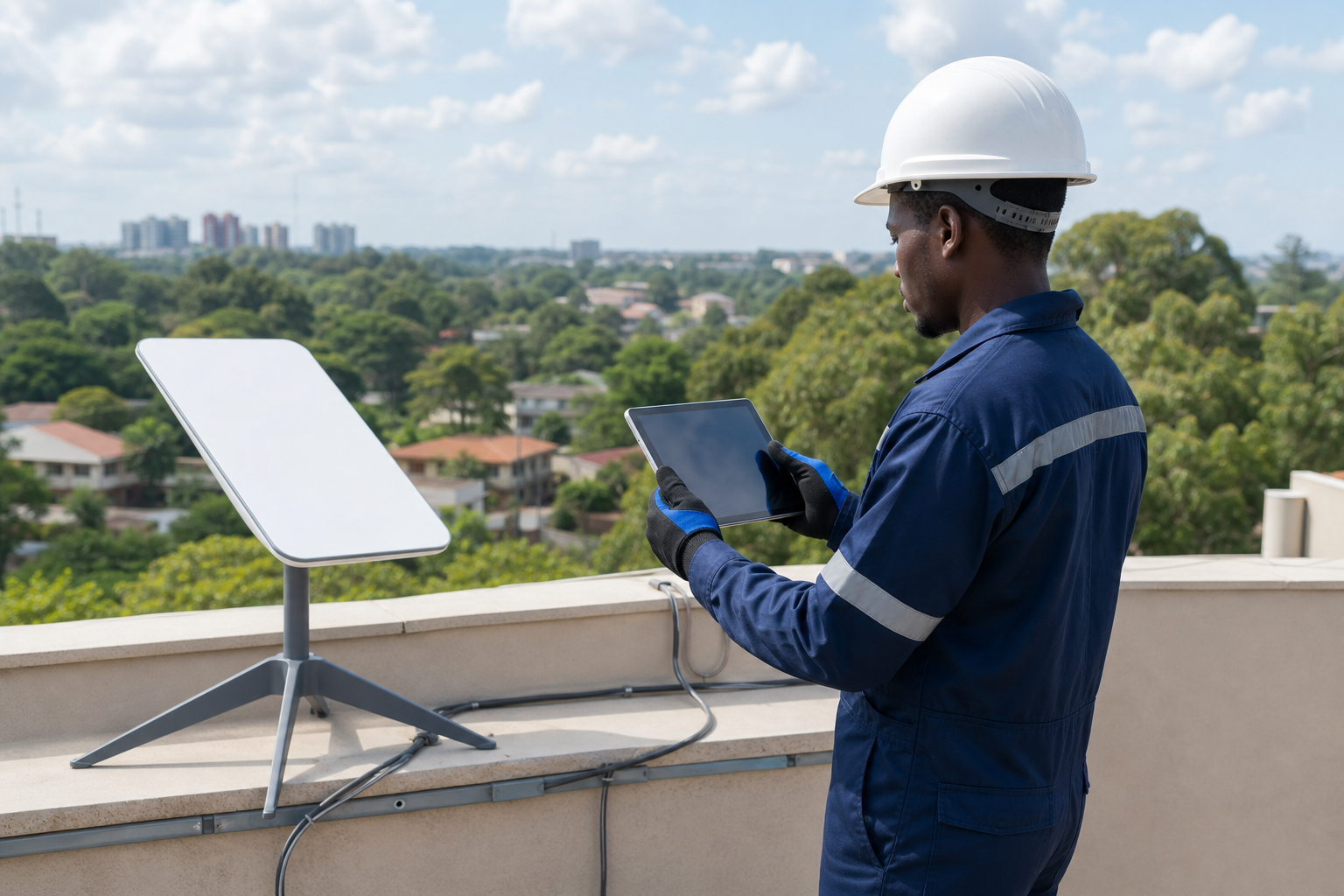
A good installer should check obstruction risk before drilling, explain the cable route before work begins, and test the connection after activation. The best location is not always the easiest place to reach. Trees, nearby buildings, water tanks, roof edges, electric lines, and future construction can all affect the line of sight. That is why a physical survey is useful even when the kit itself is easy to activate.
The indoor network also deserves attention. A satellite terminal can deliver a solid connection to the router, but users may still complain if Wi-Fi does not reach bedrooms, offices, shops, workshops, or outdoor seating areas. For larger premises, the installation plan should include router position, mesh access points, cable extensions, and user expectations for video calls, streaming, point-of-sale systems, security cameras, and cloud applications.
- Clear sky view with minimal obstruction risk
- Safe roof, wall, or pole mounting location
- Power near the router point
- Weather-aware cable route from outdoor terminal to indoor router
- Wi-Fi coverage plan for rooms, offices, tills, cameras, or guest areas
What buyers often misunderstand
Many first-time buyers assume that satellite internet is either perfect everywhere or unreliable everywhere. The reality is more practical. A well-installed low Earth orbit service can perform very well for browsing, streaming, online work, and video calls, but it still depends on sky visibility, network load, router placement, power, and the location of the servers being accessed. A speed test result is useful, but it is not the whole story.
Another common misunderstanding is that every Starlink plan is the same because the equipment looks similar. In practice, plans can differ by data policy, priority, movement rules, country use, and intended customer type. That is why the official checkout and help pages matter. A plan that works for travel may not be ideal for a permanent house. A low-cost plan may be enough for one home but underpowered for a guest property.
A third misunderstanding is that Wi-Fi problems are Starlink problems. Sometimes the satellite link is healthy, but users are too far from the router, behind thick walls, or competing with many devices on a weak indoor network. A proper installer tests both the Starlink link and the local Wi-Fi so the customer knows where the issue is.
Performance expectations
Starlink publishes land latency expectations commonly in the 25-60 ms range, with higher latency possible in some remote conditions. That is a major improvement compared with older geostationary satellite internet, where latency was often too high for comfortable video calls and interactive work. In Kenya, performance can vary by location, congestion, obstruction, weather intensity, router setup, and the path from the Starlink network to the destination service.
For ordinary home use, the most important experience is not the highest one-time speed test. It is whether the connection stays usable during the evening, whether video calls remain stable, whether streaming buffers, whether work apps time out, and whether the router covers the building. A customer should test practical applications after installation rather than relying only on a single download number.
Latency-sensitive uses such as gaming, remote desktop, VoIP, CCTV monitoring, and cloud systems need special attention. Use Ethernet where possible, reduce Wi-Fi congestion, keep the terminal unobstructed, and consider a better router for busy sites. The installation quality will not control the entire Starlink network, but it can remove many avoidable local causes of poor performance.
Buying and support considerations
The safest buying route is to confirm availability and checkout details on the official Starlink website. Some customers prefer working with local installers or resellers because they want help with mounting, activation support, router placement, accessories, and after-sale troubleshooting. That can be sensible, but the buyer should still understand who owns the Starlink account, whose email is attached to the subscription, who receives official support messages, and how warranty or replacement issues will be handled.
When comparing sellers, ask whether the kit is new, whether the account will be in your name, what installation materials are included, whether travel is charged separately, and whether the installer will return if obstruction or cable problems appear after the first rain. A cheap kit price can become expensive if the buyer has no account control or no support path.
For business sites, request a written scope. It should identify mounting position, cable route, power point, router location, Wi-Fi coverage expectation, optional mesh nodes, surge protection, and handover tests. This prevents confusion and makes support easier later.
When Starlink may not be the best option
Starlink is powerful, but it is not automatically the best internet for every Kenyan location. If a reliable fiber provider is available with strong uptime, good support, and a fair price, fiber may still offer lower latency, predictable capacity, and easier indoor networking. If the site has heavy trees that cannot be trimmed, tall nearby buildings, or no safe mounting position, installation may be difficult.
Starlink can also be a poor fit where the customer expects a normal indoor router installation with no outdoor work. The equipment needs sky access, and that usually means roof, wall, pole, or open-ground placement. In apartments, permission from the landlord, management company, or building committee may be necessary.
The correct question is not whether Starlink is good or bad. The correct question is whether it solves the specific connection problem at the specific property at an acceptable total cost. That answer requires checking the plan, site, installation, and network expectations together.
How Satellite Internet Installers can help
Satellite Internet Installers focuses on the practical gap between buying a kit and having a stable connection that people can actually use. We help customers think through the location, plan, mount, cabling, router position, and indoor coverage before work starts. That saves time and reduces avoidable mistakes.
For homes, the goal is a clean installation that supports work, school, entertainment, and daily communication. For businesses, the goal is a dependable link that supports tills, laptops, guest Wi-Fi, bookings, cameras, cloud systems, and staff devices without messy cabling or unclear responsibility.
A good installation also leaves the customer with basic knowledge: where the equipment is mounted, what to check during an outage, how to read obstruction warnings, where the cable enters the building, and when to request support. That handover is part of the value of professional work.
Final recommendation
If you are researching starlink kenya latency improvement, start with the official plan page, then move quickly to site suitability. The monthly package matters, but it is only one part of the total outcome. A well-chosen plan on a poor mount will disappoint. A well-mounted system with the wrong router layout can also disappoint. The best results come from matching the subscription, equipment, and installation to the real use case.
For most Kenyan homes, Residential Lite and Residential are the two starting comparisons. For mobile or temporary use, Roam can be relevant, but it needs careful reading because it is not the same as a standard fixed home plan. For business, hospitality, school, farm, or remote operations, the technical design should be documented before installation.
Before you buy, confirm current pricing, check the sky view, plan the cable route, and decide where Wi-Fi must work. If any of those steps are uncertain, request a survey. The cost of a proper survey is often lower than the cost of remounting equipment, replacing damaged cable, or living with unstable service.
Frequently asked questions
Is Starlink officially available in Kenya?
Starlink has an official Kenya website and public Kenya pricing. Availability still depends on the address, service capacity, and the live checkout result, so customers should confirm through the official Starlink website before buying.
What is the cheapest Starlink Kenya plan shown publicly?
The official Kenya page currently presents Residential Lite from KES 4,000 per month. This is a starting monthly service figure and should not be confused with the full cost of hardware, accessories, shipping, or installation.
Can one Starlink serve a whole home or business?
The satellite link can feed a router, but Wi-Fi coverage depends on building size, wall materials, router position, and device load. Larger premises often need mesh nodes, Ethernet runs, or a better router.
Does Starlink need professional installation?
Some users self-install successfully, but professional installation is recommended when roof access is difficult, the cable route is long, the property has obstruction risk, or the connection is business critical.
Can Starlink replace fiber?
It can replace fiber where fiber is unavailable or unreliable, but a good fiber link may still be better in some urban locations. Many businesses use Starlink as backup even when they keep fiber as the primary line.
Detailed buyer checklist for Starlink kenya latency improvement
Before committing money, write down the exact problem you want the connection to solve. A family may need stable video calls, school portals, streaming, and smart TV access. A shop may need tills, mobile money devices, inventory software, CCTV, and staff phones. A lodge may need guest Wi-Fi, reception systems, booking platforms, security cameras, and a back-office network. These needs should shape the package and the installation scope. If the use case is not written down, people often buy based on the lowest headline price and later discover that the network was not designed for how the site actually operates.
The second checklist item is the physical site. Walk around the building and identify possible mounting areas before the installer arrives. Look for open sky, safe access, strong surfaces, and a route from the outdoor terminal to the indoor router. Consider the path water takes during heavy rain, where people walk, where children play, and where maintenance workers may step. A cable that looks fine on day one can fail quickly if it is exposed to sharp iron sheets, constant foot traffic, or unsupported movement in wind.
The third checklist item is account control. The person or company paying the monthly bill should understand whose email address controls the Starlink account, who can change the plan, who can pause or resume service where available, who receives official notices, and who can request support. This matters when a kit is bought through a third party. A professional installer can help with setup, but the customer should not lose control of the service unless a managed-service contract clearly explains that arrangement.
The fourth checklist item is total cost. Add the monthly plan, hardware, shipping, mounts, poles, brackets, cable protection, trunking, mesh Wi-Fi, installation labor, travel, surge protection, and power backup if required. A cheap monthly price is useful, but a realistic budget prevents surprises. For remote sites, travel and mounting work can be a meaningful part of the project. For business sites, the bigger cost is often downtime, so a stronger installation and backup power may be cheaper than repeated outages.
Maintenance and long-term reliability
After installation, the system should not be forgotten. Check the Starlink app from time to time for obstruction warnings, outages, and router status. If a tree grows into the sky view, if a new structure is built nearby, or if the dish is moved during roof work, performance can change. A good installation begins with a clear sky view, but the property continues changing after the installer leaves. Periodic checks help catch issues before they become serious.
Cable condition should also be inspected. Outdoor cable should be supported, protected at entry points, and kept away from sharp edges. Where cable enters the building, the route should reduce water ingress risk. If a cable is pinched by a window, bent too tightly, or left hanging where it can be pulled, connection problems may appear later. Many performance complaints start as physical cable issues rather than satellite network issues.
Router maintenance is just as important. Keep the router in an open position, away from metal cabinets, thick concrete corners, and heat. Do not hide it behind appliances and then expect strong Wi-Fi across the compound. For larger homes or businesses, use mesh nodes or Ethernet backhaul where appropriate. Rename networks clearly, keep passwords documented, and separate guest access from business devices when security matters.
Power quality matters in many Kenyan locations. If the site has frequent outages, voltage dips, generator changeovers, or lightning exposure, plan surge protection and backup power. A satellite terminal and router can only work when powered. For business users, a UPS sized for the network equipment can keep payment systems, phones, and cloud tools online during short interruptions. For rural homes, power planning can be the difference between a reliable connection and an expensive kit that turns off during the exact hours people need it most.
Common mistakes to avoid
One mistake is installing the terminal where it is easy rather than where it is correct. The nearest wall, balcony, or roof edge may save time, but it may also introduce obstruction, cable stress, or security risk. A survey should compare several mounting options. The final location should balance signal quality, safety, cable length, access for maintenance, and protection from accidental damage.
Another mistake is treating the router as an afterthought. Satellite internet delivers service to the router, but users experience the network through Wi-Fi or Ethernet. If the router is placed in a poor position, people blame the satellite link even when the real problem is indoor distribution. For serious users, especially businesses, the local network should be designed with the same care as the dish installation.
A third mistake is ignoring future growth. A household may start with five devices and later add smart TVs, cameras, tablets, and work laptops. A business may start with one till and later add guest Wi-Fi, CCTV, cloud accounting, and staff devices. Choose a mounting and router layout that can be expanded without starting from zero. That may mean leaving a better cable route, using a stronger router, or documenting where additional access points can be added.
The final mistake is failing to test real applications. A speed test is useful, but it does not prove that the site is ready. Test video calls, streaming, file uploads, payment devices, CCTV viewing, remote desktop, and the exact systems the customer uses every day. A proper handover should include practical tests and a simple explanation of what to check if performance changes.
Starlink Kenya Latency Improvement: complete SEO guide
Starlink Kenya Latency Improvement is the primary keyword for this guide. Customers searching for Starlink Kenya Latency Improvement want clear prices, buying advice, installation guidance, performance expectations, and local support information in one place.
This Starlink Kenya Latency Improvement page explains how Starlink Kenya Latency Improvement relates to homes, offices, lodges, farms, schools, shops, construction sites, and remote locations in Kenya. The goal is to make Starlink Kenya Latency Improvement useful for real buyers, not only for search engines.
For better search relevance, Starlink Kenya Latency Improvement appears in the page title, the opening section, the service discussion, the FAQ context, and the image alt text. That helps Google understand that this page is specifically about Starlink Kenya Latency Improvement, while the article still gives practical advice about packages, prices, installation, latency, support, and buying decisions.
If you are comparing Starlink Kenya Latency Improvement, check the official provider page, confirm the latest plan, inspect your site for obstruction, and choose a clean installation route. A successful Starlink Kenya Latency Improvement setup depends on the package, the dish location, the cable path, the router position, and the number of people who will use the service.
Satellite Internet Installers can help with Starlink Kenya Latency Improvement planning, Starlink Kenya Latency Improvement site surveys, Starlink Kenya Latency Improvement installation, Starlink Kenya Latency Improvement router placement, and Starlink Kenya Latency Improvement troubleshooting for residential and business customers.

Sources and checks
This page was prepared for Satellite Internet Installers using current public information and installation experience. Starlink pricing and plan names were checked against the official Starlink Kenya website, which currently presents Residential Lite from KES 4,000 per month and Residential from KES 6,500 per month. Roam details were checked against Starlink’s help center, which lists Roam plan structures and explains countrywide mobile use, in-motion use, and the ability to change plans. Starlink technical expectations were checked against Starlink specifications and latency material, including public guidance that land latency is commonly stated in the 25-60 ms range, with performance varying by location, congestion, obstruction, and network routing.
Because satellite internet is a live service category, prices, taxes, hardware availability, fair use terms, and service areas can move quickly. Treat every figure as a planning reference, not a final invoice. Before ordering, confirm the live checkout on the official provider website and request a site survey when the property has trees, tall buildings, complex roof access, long cable routes, or business-critical connectivity needs.
Need help choosing or installing satellite internet?
Satellite Internet Installers can help you compare the plan, check the site, mount the equipment, route the cable, and test the connection after activation.