Amazon satellite network Kenya is one of the phrases Kenyan readers are using to follow Amazon’s low Earth orbit broadband project. The important point is that Amazon Leo is the public service brand for the satellite network formerly known as Project Kuiper, while Kenya-specific service still depends on licensing, local partnerships, network readiness, terminal supply, and a formal commercial launch.
Amazon satellite network Kenya refers to how Amazon Leo’s low Earth orbit constellation could serve Kenyan users once local commercial and regulatory requirements are complete. The network is not a single satellite; it is a layered system of satellites, terminals, ground stations, software, routing, and customer support.
Quick Kenya position
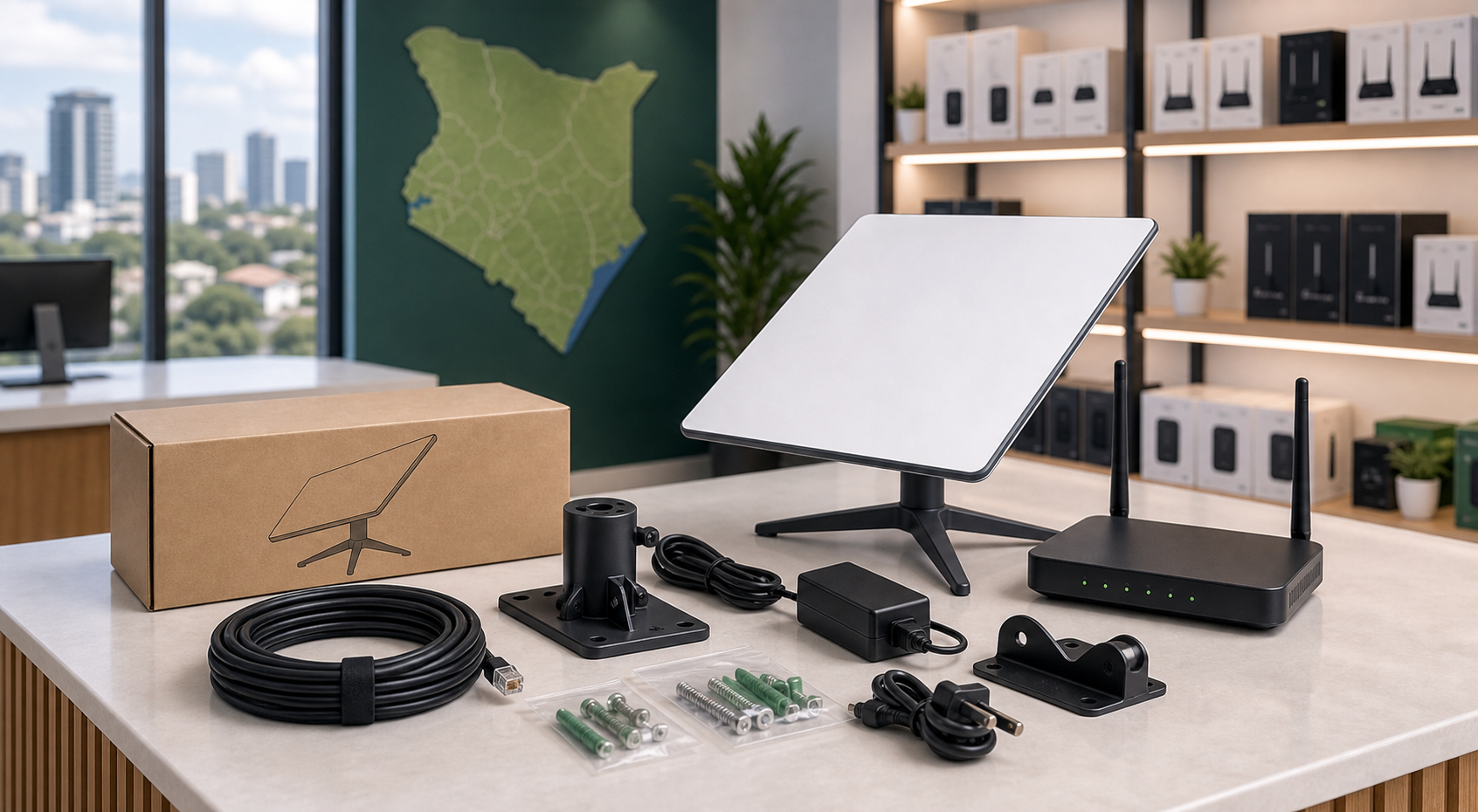
Kenya can be part of the coverage conversation, but actual service depends on local launch decisions and network readiness.
This article is written for ICT managers, installers, technical buyers, institutions, and remote operators who want to understand the network rather than only the retail brand. It avoids treating early market interest as live service, because buyers, schools, lodges, farms, contractors, and county offices need practical planning information rather than rumours. Where Amazon Leo is not yet live in Kenya, the correct action is to prepare questions, compare alternatives, and watch licensing updates.
A constellation, not one satellite
For the topic of Amazon satellite network Kenya, the section on A constellation, not one satellite matters because Kenyan buyers need a practical view rather than a headline. The issue affects how people budget, how they compare Amazon Leo with Starlink, fibre, 5G, fixed wireless, or mobile routers, and how they avoid decisions based on rumours. In counties where connectivity varies sharply from one ward to another, a clear explanation can be more useful than a simple yes or no answer.
The Kenya angle is also different from a generic global article. A service can have satellites in orbit and still require local authorisation, device supply, support channels, payment processes, and trained installers before it becomes useful to customers. That is why A constellation, not one satellite should be judged through local readiness, not only through global Amazon announcements or launch statistics.
A careful reader should ask three questions: what is technically possible, what is legally available, and what is commercially sensible for the site. Those three answers may arrive at different times, and confusing them is the fastest way to overpay, wait too long, or trust the wrong seller.
Why low Earth orbit matters
For the topic of Amazon satellite network Kenya, the section on Why low Earth orbit matters matters because Kenyan buyers need a practical view rather than a headline. The issue affects how people budget, how they compare Amazon Leo with Starlink, fibre, 5G, fixed wireless, or mobile routers, and how they avoid decisions based on rumours. In counties where connectivity varies sharply from one ward to another, a clear explanation can be more useful than a simple yes or no answer.
The Kenya angle is also different from a generic global article. A service can have satellites in orbit and still require local authorisation, device supply, support channels, payment processes, and trained installers before it becomes useful to customers. That is why Why low Earth orbit matters should be judged through local readiness, not only through global Amazon announcements or launch statistics.
A careful reader should ask three questions: what is technically possible, what is legally available, and what is commercially sensible for the site. Those three answers may arrive at different times, and confusing them is the fastest way to overpay, wait too long, or trust the wrong seller.
How satellites talk to terminals
For the topic of Amazon satellite network Kenya, the section on How satellites talk to terminals matters because Kenyan buyers need a practical view rather than a headline. The issue affects how people budget, how they compare Amazon Leo with Starlink, fibre, 5G, fixed wireless, or mobile routers, and how they avoid decisions based on rumours. In counties where connectivity varies sharply from one ward to another, a clear explanation can be more useful than a simple yes or no answer.
The Kenya angle is also different from a generic global article. A service can have satellites in orbit and still require local authorisation, device supply, support channels, payment processes, and trained installers before it becomes useful to customers. That is why How satellites talk to terminals should be judged through local readiness, not only through global Amazon announcements or launch statistics.
A careful reader should ask three questions: what is technically possible, what is legally available, and what is commercially sensible for the site. Those three answers may arrive at different times, and confusing them is the fastest way to overpay, wait too long, or trust the wrong seller.
How traffic reaches the internet
For the topic of Amazon satellite network Kenya, the section on How traffic reaches the internet matters because Kenyan buyers need a practical view rather than a headline. The issue affects how people budget, how they compare Amazon Leo with Starlink, fibre, 5G, fixed wireless, or mobile routers, and how they avoid decisions based on rumours. In counties where connectivity varies sharply from one ward to another, a clear explanation can be more useful than a simple yes or no answer.
The Kenya angle is also different from a generic global article. A service can have satellites in orbit and still require local authorisation, device supply, support channels, payment processes, and trained installers before it becomes useful to customers. That is why How traffic reaches the internet should be judged through local readiness, not only through global Amazon announcements or launch statistics.
A careful reader should ask three questions: what is technically possible, what is legally available, and what is commercially sensible for the site. Those three answers may arrive at different times, and confusing them is the fastest way to overpay, wait too long, or trust the wrong seller.
The importance of gateway strategy
For the topic of Amazon satellite network Kenya, the section on The importance of gateway strategy matters because Kenyan buyers need a practical view rather than a headline. The issue affects how people budget, how they compare Amazon Leo with Starlink, fibre, 5G, fixed wireless, or mobile routers, and how they avoid decisions based on rumours. In counties where connectivity varies sharply from one ward to another, a clear explanation can be more useful than a simple yes or no answer.
The Kenya angle is also different from a generic global article. A service can have satellites in orbit and still require local authorisation, device supply, support channels, payment processes, and trained installers before it becomes useful to customers. That is why The importance of gateway strategy should be judged through local readiness, not only through global Amazon announcements or launch statistics.
A careful reader should ask three questions: what is technically possible, what is legally available, and what is commercially sensible for the site. Those three answers may arrive at different times, and confusing them is the fastest way to overpay, wait too long, or trust the wrong seller.
Capacity over Kenya
For the topic of Amazon satellite network Kenya, the section on Capacity over Kenya matters because Kenyan buyers need a practical view rather than a headline. The issue affects how people budget, how they compare Amazon Leo with Starlink, fibre, 5G, fixed wireless, or mobile routers, and how they avoid decisions based on rumours. In counties where connectivity varies sharply from one ward to another, a clear explanation can be more useful than a simple yes or no answer.
The Kenya angle is also different from a generic global article. A service can have satellites in orbit and still require local authorisation, device supply, support channels, payment processes, and trained installers before it becomes useful to customers. That is why Capacity over Kenya should be judged through local readiness, not only through global Amazon announcements or launch statistics.
A careful reader should ask three questions: what is technically possible, what is legally available, and what is commercially sensible for the site. Those three answers may arrive at different times, and confusing them is the fastest way to overpay, wait too long, or trust the wrong seller.
Security and network management
For the topic of Amazon satellite network Kenya, the section on Security and network management matters because Kenyan buyers need a practical view rather than a headline. The issue affects how people budget, how they compare Amazon Leo with Starlink, fibre, 5G, fixed wireless, or mobile routers, and how they avoid decisions based on rumours. In counties where connectivity varies sharply from one ward to another, a clear explanation can be more useful than a simple yes or no answer.
The Kenya angle is also different from a generic global article. A service can have satellites in orbit and still require local authorisation, device supply, support channels, payment processes, and trained installers before it becomes useful to customers. That is why Security and network management should be judged through local readiness, not only through global Amazon announcements or launch statistics.
A careful reader should ask three questions: what is technically possible, what is legally available, and what is commercially sensible for the site. Those three answers may arrive at different times, and confusing them is the fastest way to overpay, wait too long, or trust the wrong seller.
Installation as the local layer
For the topic of Amazon satellite network Kenya, the section on Installation as the local layer matters because Kenyan buyers need a practical view rather than a headline. The issue affects how people budget, how they compare Amazon Leo with Starlink, fibre, 5G, fixed wireless, or mobile routers, and how they avoid decisions based on rumours. In counties where connectivity varies sharply from one ward to another, a clear explanation can be more useful than a simple yes or no answer.
The Kenya angle is also different from a generic global article. A service can have satellites in orbit and still require local authorisation, device supply, support channels, payment processes, and trained installers before it becomes useful to customers. That is why Installation as the local layer should be judged through local readiness, not only through global Amazon announcements or launch statistics.
A careful reader should ask three questions: what is technically possible, what is legally available, and what is commercially sensible for the site. Those three answers may arrive at different times, and confusing them is the fastest way to overpay, wait too long, or trust the wrong seller.
How Kenya could use the network
For the topic of Amazon satellite network Kenya, the section on How Kenya could use the network matters because Kenyan buyers need a practical view rather than a headline. The issue affects how people budget, how they compare Amazon Leo with Starlink, fibre, 5G, fixed wireless, or mobile routers, and how they avoid decisions based on rumours. In counties where connectivity varies sharply from one ward to another, a clear explanation can be more useful than a simple yes or no answer.
The Kenya angle is also different from a generic global article. A service can have satellites in orbit and still require local authorisation, device supply, support channels, payment processes, and trained installers before it becomes useful to customers. That is why How Kenya could use the network should be judged through local readiness, not only through global Amazon announcements or launch statistics.
A careful reader should ask three questions: what is technically possible, what is legally available, and what is commercially sensible for the site. Those three answers may arrive at different times, and confusing them is the fastest way to overpay, wait too long, or trust the wrong seller.
What remains to be confirmed
For the topic of Amazon satellite network Kenya, the section on What remains to be confirmed matters because Kenyan buyers need a practical view rather than a headline. The issue affects how people budget, how they compare Amazon Leo with Starlink, fibre, 5G, fixed wireless, or mobile routers, and how they avoid decisions based on rumours. In counties where connectivity varies sharply from one ward to another, a clear explanation can be more useful than a simple yes or no answer.
The Kenya angle is also different from a generic global article. A service can have satellites in orbit and still require local authorisation, device supply, support channels, payment processes, and trained installers before it becomes useful to customers. That is why What remains to be confirmed should be judged through local readiness, not only through global Amazon announcements or launch statistics.
A careful reader should ask three questions: what is technically possible, what is legally available, and what is commercially sensible for the site. Those three answers may arrive at different times, and confusing them is the fastest way to overpay, wait too long, or trust the wrong seller.
Useful Kenya links
For network research, these resources help connect constellation news with Kenya-specific use cases. Start with Amazon Internet Kenya for local Amazon Leo coverage, compare the service idea with Starlink through this Starlink and Amazon Leo comparison, follow licensing context from this Amazon Leo licensing Kenya article, and use Satellite Internet Installers for installation planning and satellite internet guidance.
Frequently asked questions
What should Kenyan readers remember about Amazon satellite network Kenya?
They should separate global Amazon Leo development from confirmed Kenya retail availability, then compare any offer against licensing, pricing, equipment, support, and installation realities.
Should I pay a deposit before official launch?
Avoid paying deposits to unknown sellers. Wait for clear authorisation, a traceable ordering process, warranty terms, and activation details.
Can Amazon Leo still be worth tracking?
Yes. Even before launch, it is worth tracking because competition in satellite broadband could improve options for remote and underserved Kenyan sites.
Planning checklist for Kenyan readers
Before making a decision, write down the exact location, the number of regular users, the most important online tasks, the current internet problems, the monthly budget, the available power source, and the level of uptime needed. A family home, a school, a lodge, a farm, a clinic, and a construction camp will not judge Amazon Leo in the same way. This checklist makes the discussion more practical because it turns a broad technology topic into a site-specific decision. It also helps buyers avoid pressure from sellers who talk only about speed while ignoring installation, support, power, warranty, and long-term service costs. Keep that checklist available when comparing quotes, because it gives every provider the same facts and makes weak answers easier to spot.
Final take
For Kenya, Amazon Leo should be treated as a serious upcoming satellite internet option, not as a product that every household can buy today. The sensible approach is to monitor official launch news, understand the difference between network deployment and commercial availability, and compare Amazon Leo with existing options before committing budgets or installation work. That careful approach protects budgets and keeps expectations realistic while the market waits for confirmed local service details. It also creates better questions for installers, providers, and decision makers.
