amazon leo internet release date
The amazon leo internet release date is one of the most searched satellite internet questions in Kenya because many homes, lodges, schools, farms, and businesses are already comparing low Earth orbit internet choices. Amazon Leo is the new public name for the service that was previously known as Project Kuiper. It is not a traditional fibre network, and it is not a mobile data bundle. It is a satellite broadband system designed to use many satellites in low Earth orbit, user terminals on the ground, and gateway infrastructure that connects traffic back to the wider internet.
As of 2 June 2026, Amazon has not announced a confirmed public launch date for Kenya. The company has been moving from satellite deployment and enterprise preview toward broader commercial operations, and current public information points to a 2026 commercial rollout in selected markets rather than an immediately available Kenyan consumer service. That distinction matters. A global launch headline does not automatically mean that Nairobi, Kisumu, Eldoret, Mombasa, Lodwar, Nanyuki, or rural counties can order a kit on the same day.

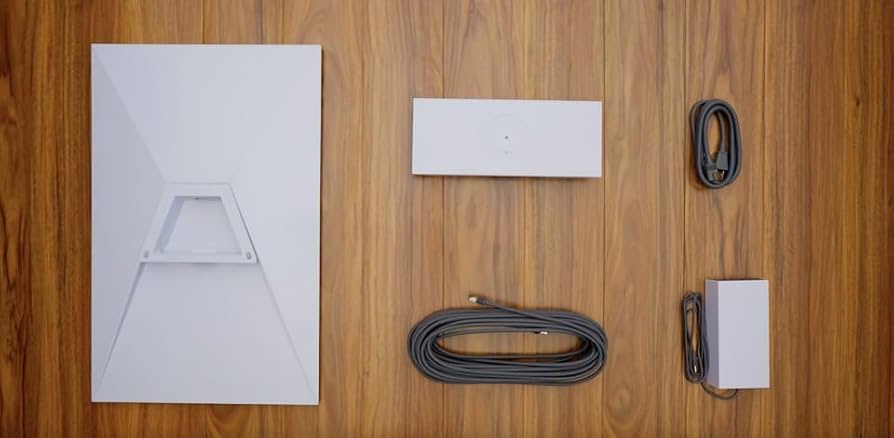
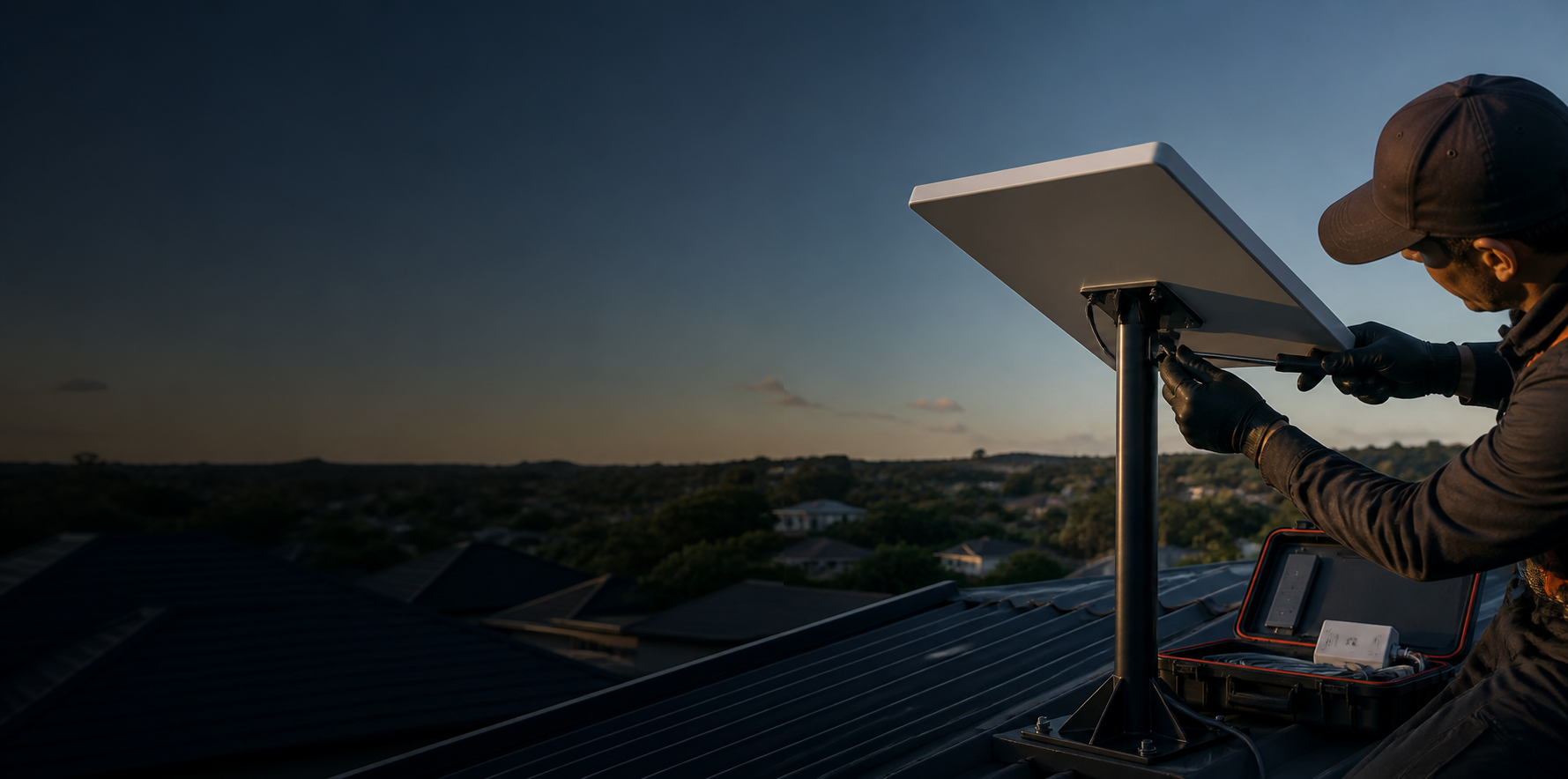

amazon leo internet release date: the current 2026 picture
Amazon Leo began full scale production satellite launches in 2025 and continued adding capacity through 2026. Amazon’s own mission updates show more than 300 satellites deployed after the latest Atlas V missions, with the constellation still being built out. The official mission tracker is useful because it separates actual launches from speculation about availability. You can review Amazon’s mission timeline on the Amazon Leo launch update page, which reports the number of satellites deployed and the status of recent missions.
The practical reading for Kenyan buyers is simple: the network is real, but public service availability is phased. Satellite internet works only when enough satellites, ground infrastructure, licensing, customer equipment, support channels, and billing systems are ready for a specific country or region. That is why the amazon leo internet release date should be understood in two layers: the broader commercial launch date and the Kenya order date. The broader rollout may begin before Kenya appears in the public ordering list.
amazon leo internet release date for Kenya
For Kenya, the key question is not whether Amazon Leo has satellites in orbit. The question is whether the service has local regulatory clearance, supported service plans, working delivery channels, installation support, and clear pricing in Kenyan shillings or an accepted billing currency. Until Amazon publishes a Kenya availability page or opens official orders, any exact Kenyan launch date should be treated as an estimate rather than a confirmed release date.
This is where buyers should be careful. Some websites may suggest that Amazon Leo is already available everywhere or that preorders are guaranteed. A better approach is to track official Amazon Leo announcements and compare them with local installation readiness. For background on the Kenyan market, see Amazon Internet Kenya, Orbit Internet Kenya’s Amazon Leo Kenya guide, and installation-focused updates such as Amazon Leo installation in Nairobi.
Why the release date matters for Kenyan users
Kenya already has several internet options, but coverage quality varies sharply by location. Fibre can work very well in estates, offices, and apartment blocks where a provider has built the last mile. 4G and 5G can be excellent in strong coverage zones, yet performance can fall during congestion or in areas with weak signal. Satellite internet fills a different gap. It is most valuable where the property can see the sky but cannot get dependable terrestrial connectivity.
That is why the amazon leo internet release date matters to safari camps, agricultural sites, rural schools, churches, health centres, security posts, construction projects, and homes outside stable fibre coverage. A new LEO option could create more competition and more choice. Still, a launch date alone is not enough. Buyers also need to know installation requirements, support response, downtime procedures, and how the package compares with existing Starlink options.
If you need working connectivity immediately, you should not delay a critical project while waiting for an unconfirmed date. Review current satellite options and installation planning on our Starlink Kenya installation page, compare ongoing costs on how much Starlink costs in Kenya, and check packages through Starlink Kenya packages. Those internal resources help you decide whether to install now or wait for Amazon Leo to become orderable.
What Amazon has already confirmed
Amazon has confirmed the rebrand from Project Kuiper to Amazon Leo, the low Earth orbit design, continuing launches, and enterprise preview activity. Amazon has also shown production terminal details for business customers. The most important official speed information so far is tied to Amazon Leo Ultra, an enterprise grade terminal described as capable of up to 1 Gbps download and up to 400 Mbps upload. You can read that announcement on the official Amazon Leo Ultra page.
Those details show direction, not a full Kenyan consumer offer. A business terminal designed for demanding enterprise use is not the same as a residential package for a farm, home, apartment, school, or small shop. When the public release date becomes clearer, Kenyan buyers should check which terminals are supported locally, whether consumer and business plans launch together, whether mobile use is allowed, and whether there are fair-use rules or data limits.
Amazon’s rollout is also tied to capacity. LEO networks require dense satellite coverage and enough backhaul capacity to maintain speed during peak usage. A country can technically be under the satellite footprint before public orders open. The commercial release date usually waits for a stronger service experience, especially if the company wants predictable performance for video calls, cloud applications, point-of-sale systems, CCTV viewing, and school e-learning platforms.
How to prepare before the release date
Property preparation can start before the amazon leo internet release date is confirmed. The biggest installation factor is sky visibility. A LEO dish needs a clear view with minimal obstruction from roofs, trees, water tanks, nearby walls, and tall buildings. The same planning logic used for Starlink installations will apply to Amazon Leo because both systems depend on reliable satellite line of sight.
Start by identifying possible mounting points: roof ridges, poles, wall brackets, or open compounds. Check cable routing from the dish position to the router location. Consider surge protection, earthing, waterproofing, and backup power. For more practical installation planning, see our Starlink speed and latency guide, our guide to satellite internet for rural homes and farms, and the business satellite internet guide.
Kenyan sites also need to plan WiFi coverage inside the property. A satellite terminal can bring internet to the building, but it does not automatically solve coverage across multiple rooms, staff quarters, guest tents, CCTV poles, classrooms, or warehouses. Mesh WiFi, outdoor access points, and proper router placement may be required. This is one reason professional installation remains useful even when a kit is designed for self setup.
Possible rollout sequence
The likely rollout pattern is staged. Enterprise preview comes first because large customers can test performance, private networking, logistics, and support workflows. Broader commercial availability follows when Amazon has enough coverage and capacity. Country launches then depend on regulation, payment systems, local marketing, equipment distribution, and support. Kenya could benefit from regional demand, but no official Kenya date has been published yet.
Urban users in Nairobi and Mombasa may watch the service for price competition, while rural users may watch it for coverage. The value is different in each case. In an urban office with fibre, Amazon Leo may be a backup link. In a remote lodge or farm, it could become the primary connection. In a county office or school, it may support video meetings and cloud systems where terrestrial networks are inconsistent.
Useful local context can be found in the comparison article at Compare Starlink with Amazon Leo. For western Kenya readers, Amazon Leo internet installation in Kisumu is also relevant because lake region sites often have a mix of fibre pockets, mobile coverage zones, and rural gaps. On our own site, the Starlink installation in Kisumu page shows the type of installation considerations that will also matter for future Amazon Leo setups.
What to avoid while waiting
Avoid paying for unofficial preorders unless you can verify the seller, the refund terms, and the source of the equipment. Avoid assuming that a launch in another country means a Kenyan SIM-style activation will work locally. Avoid planning a mission critical office, school term, hotel booking system, or CCTV command centre around an unconfirmed service date. And avoid judging the final service only by the highest advertised terminal speed, because the actual experience depends on package, capacity, installation quality, obstruction, and network load.
A practical plan is to list your deadline, data needs, number of users, power situation, and location. If you must be online this month, install an available solution and treat Amazon Leo as a future alternative. If your project can wait, monitor the official release date and prepare the site so installation is faster when ordering opens. This approach protects you from downtime and keeps you ready for competition when Amazon Leo reaches Kenya.
Final thoughts on the release date
The short answer is that the amazon leo internet release date is expected to fall within Amazon’s broader 2026 commercial rollout, but a Kenya-specific public order date has not yet been confirmed as of 2 June 2026. The network is progressing, the satellite count is increasing, and enterprise preview details are public. Kenyan customers should watch official announcements, compare local installers, and avoid claims that sound more certain than Amazon’s own published information.
For immediate connectivity, review existing satellite installation options through Satellite Internet Installers or visit the shop. For future Amazon Leo planning, keep an eye on local updates and contact an installer when Amazon publishes official Kenya availability. A good installer will help you separate launch news from order readiness, then design a setup that matches your building, budget, and uptime needs.
Release date checklist for Kenyan buyers
Before treating any announcement as the real Kenya release date, check five practical signals. First, there should be an official Amazon ordering path or country page. Second, the terms should show whether the plan is residential, business, mobile, or enterprise. Third, the equipment should be supported in Kenya rather than imported for another region. Fourth, the monthly billing method should be clear. Fifth, there should be an installation and support route for Kenyan customers. If one of these pieces is missing, the date may be a technology milestone rather than a usable customer launch.
This checklist is especially important for organizations with deadlines. A school cannot plan a digital learning term on rumours. A hotel cannot promise guest WiFi based on a launch article from another country. A farm cannot rely on a future service for security cameras unless activation is confirmed. When Amazon Leo becomes orderable, the best customers will already have their roof survey, power plan, WiFi plan, and budget ready, but they will not have paid for unsupported equipment.
How installers will confirm readiness
A serious installer will not only ask whether Amazon Leo has launched. They will ask for the property location, obstruction conditions, user count, current internet option, and the reason for switching. They will also check whether the customer needs primary internet, backup internet, or a temporary project connection. Those details affect the recommendation. In some cases, current Starlink installation will be the practical choice. In other cases, a customer may be able to wait for Amazon Leo because the deadline is flexible and the site preparation can happen first.
Kenyan customers should keep records of current internet problems while waiting. Write down outage frequency, average speed, peak-hour slowdowns, upload needs, and monthly spend. When Amazon Leo prices and availability are published, those records make the decision easier. Instead of asking whether the new service is exciting, you can ask whether it solves a measured problem at a sensible total cost. That is the most reliable way to use release-date news.
FAQs
Is the amazon leo internet release date confirmed for Kenya?
No. As of 2 June 2026, Amazon has not published a confirmed Kenya consumer launch date. Broader commercial rollout activity is expected in 2026, but Kenya-specific ordering should be verified through official channels.
Will Amazon Leo launch before Starlink in Kenya?
Starlink is already the practical reference point for LEO internet in Kenya. Amazon Leo may become a competitor when local availability opens, but the exact timing and package structure are not confirmed.
Can I prepare my site before Amazon Leo launches?
Yes. You can check sky visibility, plan a mounting point, prepare power backup, and design indoor WiFi coverage. These steps are useful for both current and future satellite internet services.
Should I wait for Amazon Leo or install internet now?
If your home or business needs internet immediately, use an available service now. If your project is flexible, monitor Amazon Leo updates while preparing the installation site.
